Cristiano Ronaldo
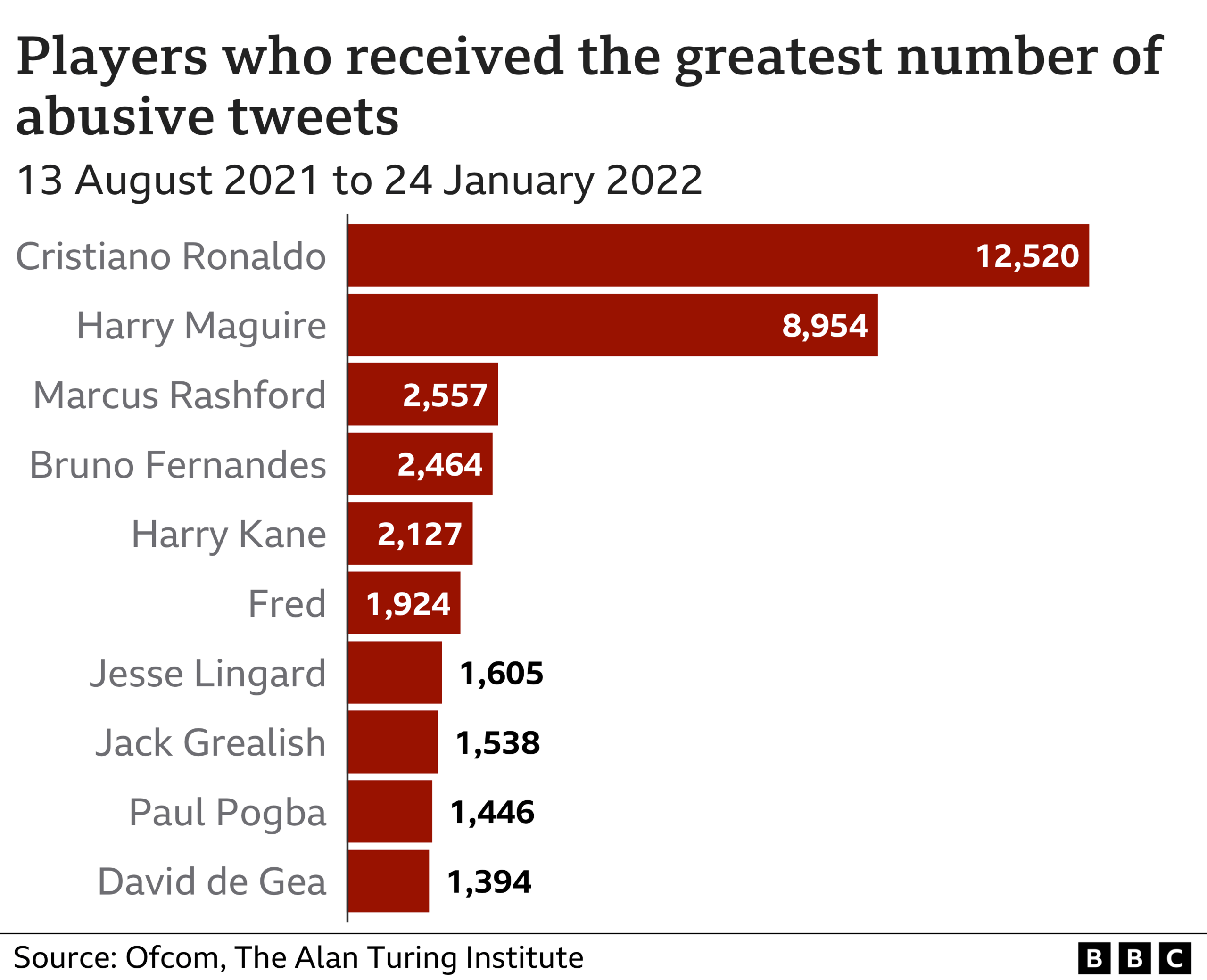
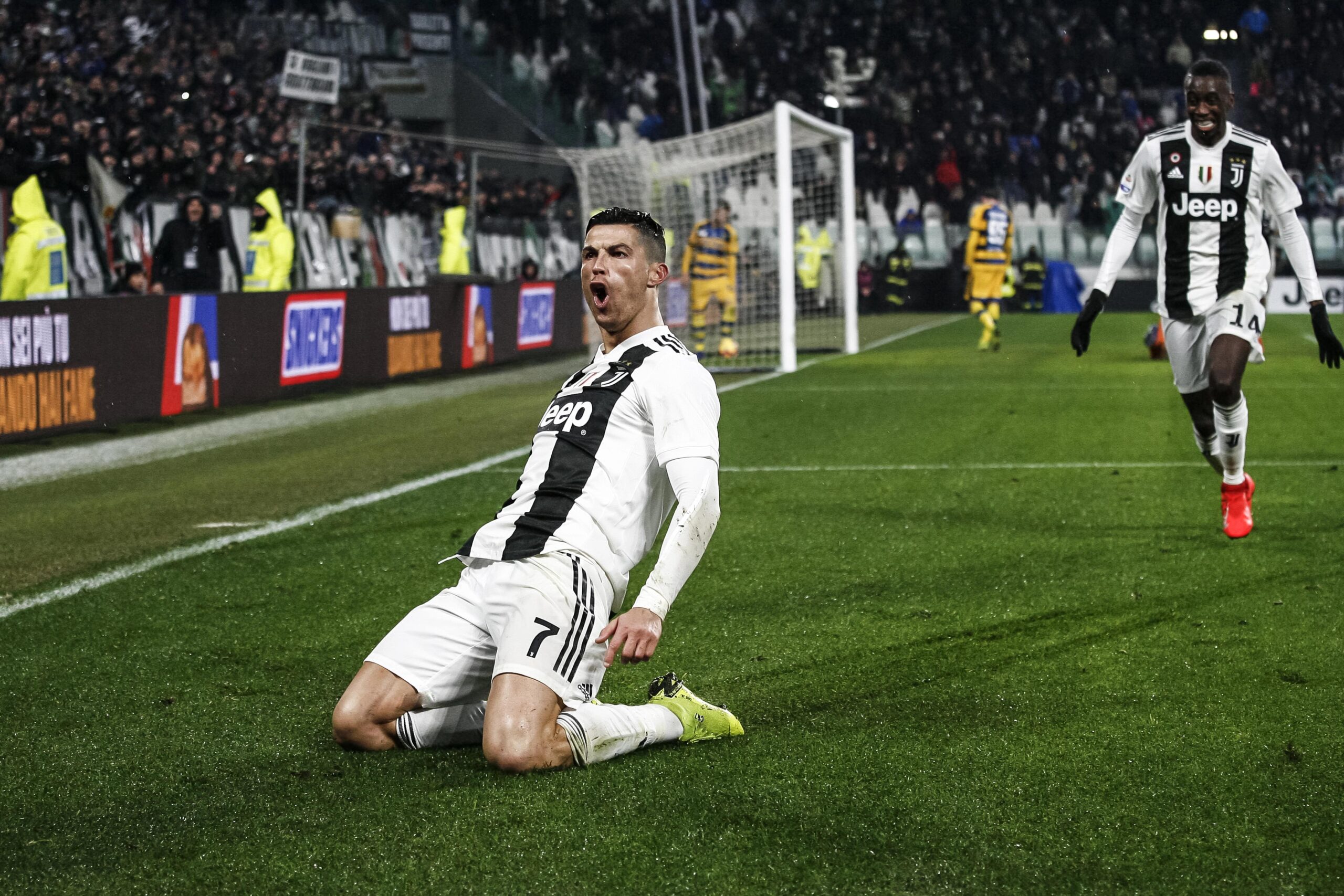
According to a major study by the Alan Turing Institute and Ofcom, Cristiano Ronaldo received over 12,500 abusive tweets during the 2021-22 season – the highest for any player in the Premier League. The study revealed that only 12 players accounted for half of all abusive messages. His fame and polarizing image make him both idolized and attacked online.
Harry Maguire
Harry Maguire ranked second in the same Ofcom report, with nearly 9,000 abusive tweets sent to him within five months. As Manchester United captain, he faced criticism beyond performance – his leadership and composure became easy targets. ESPN and Sky Sports both confirmed the trend.
Marcus Rashford
Marcus Rashford’s case exposes a darker side – racist abuse. After England’s Euro 2020 final loss, he, alongside Jadon Sancho and Bukayo Saka, received hundreds of racist messages, including monkey emojis and slurs. The Guardian reported more than 70 such messages in one night.
Rashford’s activism and visibility make him both an inspiration and a target. His case demonstrates how discrimination and social media abuse intersect.
Bruno Fernandes
Bruno Fernandes received around 2,400 abusive tweets according to the Ofcom/Turing research. For him, online toxicity often followed missed penalties or poor results. What stands out is how rapidly admiration flips into hostility, making players’ mental health a recurring concern. (Sky News)
His experience reflects the volatile emotions that dominate online fandoms.
Paul Pogba
Paul Pogba’s relationship with online audiences was equally toxic. His penalty miss against Wolves in 2019 triggered a flood of racist and hateful comments. Reports by The Week and The Guardian cited over 1,000 flagged abusive posts directed at him within hours.
Pogba’s situation illustrates that online hate is not about performance, it’s about identity and perception.
Gonzalo Higuaín
Outside the Premier League bubble, Gonzalo Higuaín faced a wave of mockery following his transfer from Napoli to Juventus. Fans mocked his weight, performance and image through memes and insults, many of which went viral. The Sun documented this ridicule extensively.
Later, Higuaín publicly condemned online hate, saying “it claims lives” in an interview with ESPN. His story reminds us that even outside England, social-media bullying has real psychological consequences.
Why It Matters
Research shows a Premier League player receives an abusive tweet every four minutes. About 8–9% of all flagged tweets involve discriminatory or racial slurs. (The Guardian)
This is not “banter.” It’s a crisis of empathy, accountability and digital ethics. Players are people, not algorithms to be liked or downvoted. The football community, clubs, platforms, journalists and fans, must share responsibility for shaping a safer online culture.