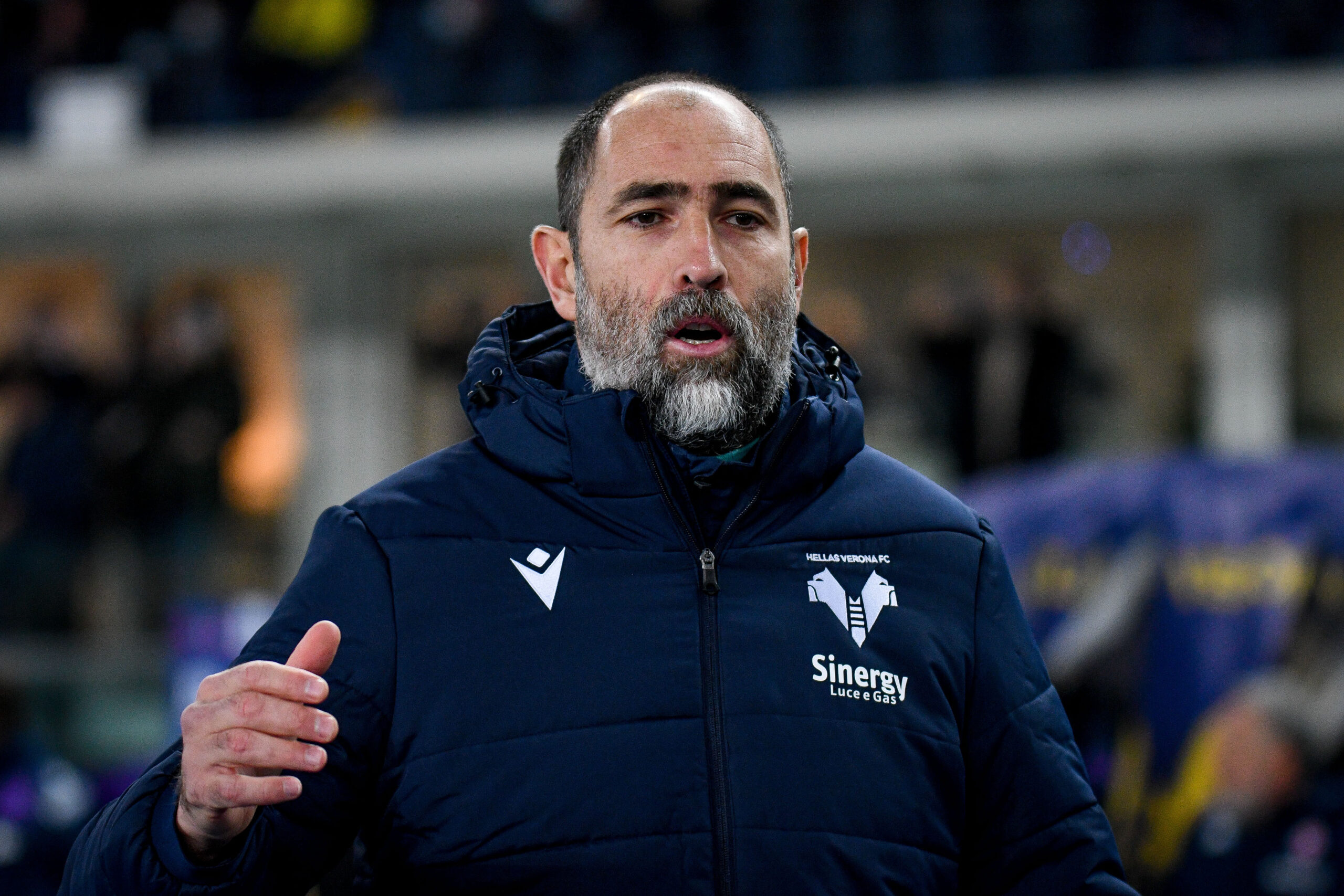
- Igor Tudor was appointed Juventus manager in March 2025 after the sacking of Thiago Motta.
- Tudor previously served Juventus both as a player (1998-2007) and as an assistant coach under Andrea Pirlo (2020-2021).
- His management career includes successful spells with Hellas Verona, Marseille, and most recently Lazio.
Igor Tudor’s Playing Career at Juventus
Igor Tudor joined Juventus in 1998 and became an integral part of the team’s defense, known for his physical presence and aerial threat. Standing tall at 1.93 meters, he was a formidable opponent in defensive duels and set-pieces. During his time in Turin, Tudor made 174 appearances, scoring 21 goals, a remarkable tally for a central defender.
One of Tudor’s most memorable goals came in the 2002/03 UEFA Champions League season. Facing Deportivo La Coruña, Juventus needed a victory to advance to the knockout stages. Tudor stepped up, scoring the decisive goal that secured Juve’s progression. That season, Juventus reached the Champions League final, narrowly losing to AC Milan on penalties.
Despite his strengths, Tudor’s early years at Juventus were marked by inconsistency. Occasional defensive mistakes cost Juventus crucial points in league play, sparking criticism. Yet, his perseverance and key contributions during important matches eventually solidified his reputation among fans.
Titles and Achievements as a Juventus Player
During Tudor’s tenure as a Juventus player, the club secured multiple titles:
- Serie A Championships: 2001-02, 2002–03 (later revoked due to Calciopoli)
- Supercoppa Italiana: 2002, 2003
- UEFA Champions League: Runner-up (2002–03)
Transition to Coaching
Tudor began his coaching career with Hajduk Split, his boyhood club in Croatia. He returned to Juventus in 2020 as assistant coach to Andrea Pirlo, marking his first coaching experience at an elite European club. That season proved challenging for Juventus, finishing third in Serie A and losing the Scudetto after nine consecutive titles.
Following Juventus, Tudor gained valuable head coach experience at Hellas Verona and Olympique Marseille. At Verona, his high-intensity, pressing style was highly praised, earning the team a respectable mid-table finish. At Marseille, he guided the club back to Champions League qualification, solidifying his reputation as a talented and ambitious coach.
Success at Lazio and Return to Juventus
In 2024, Tudor was appointed head coach at Lazio, replacing Maurizio Sarri. His arrival revitalized the team, securing a strong finish in Serie A and demonstrating his capability in high-pressure situations. His success at Lazio drew attention from top clubs, ultimately paving his way back to Juventus.
On March 23, 2025, Juventus confirmed the appointment of Tudor following the dismissal of Thiago Motta, who struggled to maintain consistency and faced criticism due to a series of heavy defeats. Tudor’s previous ties to Juventus, both as player and assistant coach, made him an appealing candidate to restore confidence and competitiveness within the team.
Igor Tudor’s Coaching Philosophy
Tudor is known for a disciplined yet dynamic playing style, emphasizing tactical flexibility, high pressing, and quick transitions. His teams generally adopt a robust defensive structure coupled with aggressive attacking play. Tudor’s tactical flexibility enables his teams to adapt quickly to different opponents and match situations.
His approach to coaching aligns closely with Juventus’ traditions, organized defense, physical intensity, and commitment on the pitch, qualities Tudor himself exhibited as a player. His familiarity with the Juventus environment and culture positions him well to revitalize the team.
Expectations at Juventus
Tudor inherits a challenging task at Juventus. Following a turbulent period under Thiago Motta, characterized by inconsistent performances, Tudor is expected to provide immediate stability and guide the team back to its former prominence in Italian and European football. Fans and management alike are hopeful Tudor’s deep understanding of the club’s ethos will contribute positively from day one.
His previous Juventus experience will prove invaluable, as will his recent success managing teams under similar pressures. Tudor is also expected to nurture Juventus’ younger talents, combining youth with experience to achieve sustainable success.
Summary: What Tudor’s Return Means for Juventus and Italian Football
Igor Tudor’s appointment symbolizes Juventus’ determination to reclaim their status as a dominant force in Italy and Europe. With his unique combination of tactical acumen, player management skills, and historical connection to the club, expectations are high. Juventus fans eagerly anticipate whether Tudor’s second stint will replicate the passion, resilience, and occasional magic he once displayed on the pitch in black and white.