Napoli: The Best Positioned Club to Invest
No team in Italy is better placed than Napoli to make bold moves. Despite missing European competitions last season, the club retains a remarkable foundation, boasting €212 million in equity and €210 million in cash reserves. Aurelio De Laurentiis can invest confidently: the €70 million sale of Khvicha Kvaratskhelia in January has already cushioned last year’s loss.
The return to the Champions League will inject further revenue, and plans are in motion for another substantial summer window with investments around €200 million. This spending will be balanced by the sale of Victor Osimhen and at least a dozen squad players, including Caprile, Natan, and Gaetano, already sold for €23 million.
Inter: Stability Restored and Spending Freed
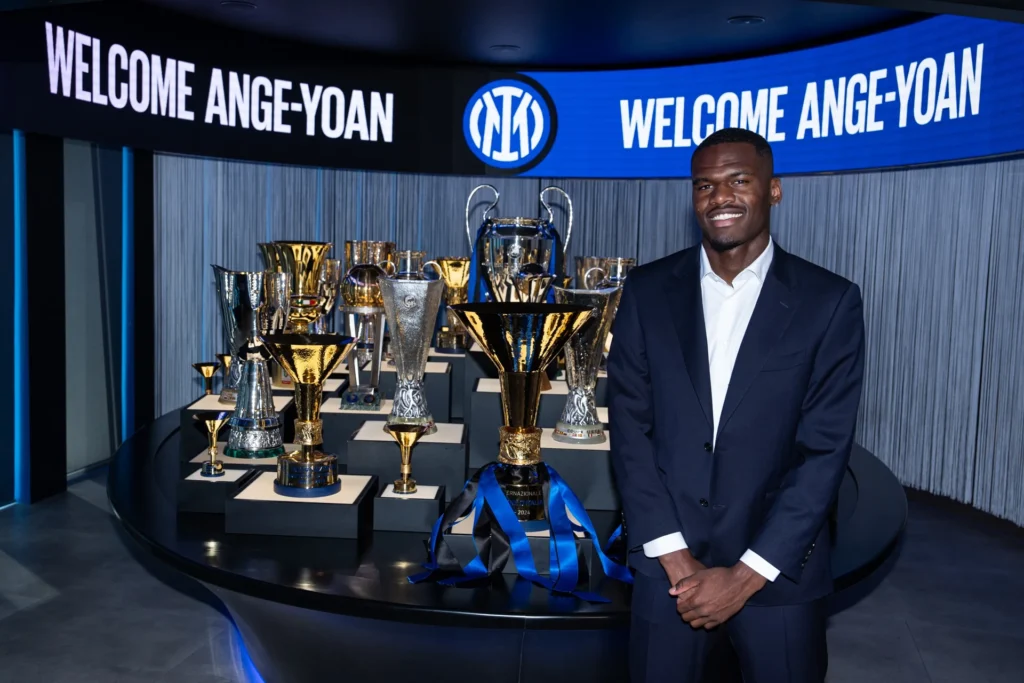
Under Oaktree Capital’s stewardship, Inter’s finances have transformed. The club is heading for the best balance sheet in its history, with revenues over €500 million and a projected profit of €20–25 million. Debt exposure has been reduced by refinancing bonds, cutting interest payments by €13 million per year.
This gives president Giuseppe Marotta a healthy margin to operate, with a possible deficit between €50 and €100 million in the transfer balance. The club has shifted strategy: no more reliance on free transfers and expiring contracts. Instead, Inter is targeting younger players with resale value, evidenced by the signings of Luis Henrique, Bonny, Susic, and Zalewski.
Juventus: Dependent on Outgoing Transfers
Juventus has stabilized thanks to Champions League qualification, with revenues expected to surpass €400 million this season. New sponsorship deals also help, but player sales remain critical to balancing the books and satisfying UEFA’s squad cost ratio.
While Kenan Yildiz is untouchable, other names are available. Dusan Vlahovic alone weighs €42 million annually between amortization and wages. If he departs, Juventus can reinvest in fresh targets. Recent moves for Jonathan David on a free and Kalulu’s permanent transfer show the club’s intention to plan carefully while keeping costs sustainable.

Milan: A Self-Sufficient Approach Amid Lower Revenues
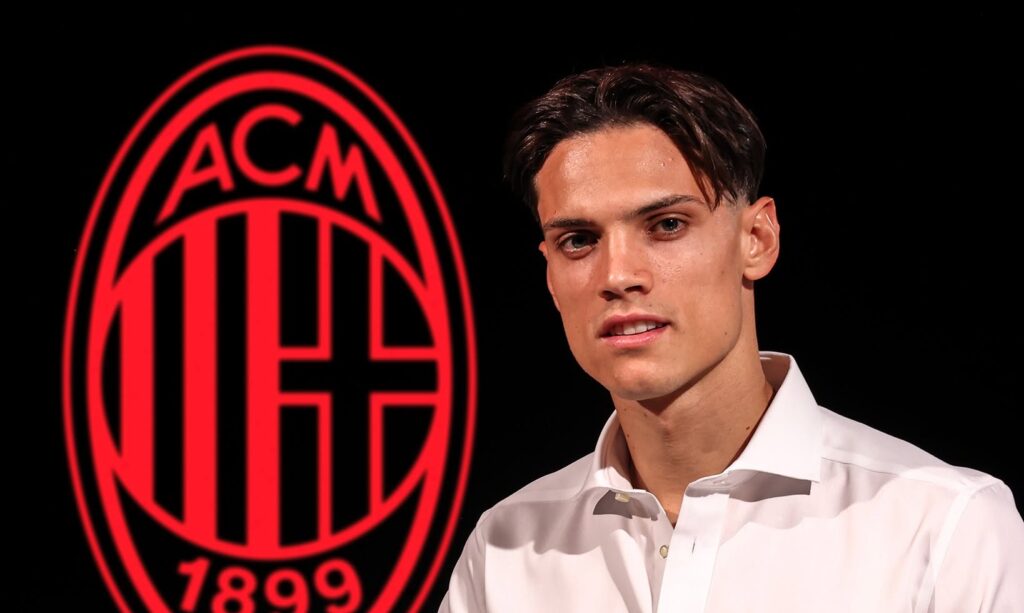
RedBird Capital has delivered two straight profitable seasons at Milan. However, unlike prior years, owner Gerry Cardinale has invested €55 million only in stadium development, not squad improvements. Missing European competition this year means €80 million in lost revenue.
Theo Hernandez’s likely departure will only partially fill the gap. Unless further sales materialize, Milan’s summer will be focused on measured investments. Luka Modric’s arrival is an exception, but the acquisition of Samuele Ricci reflects a broader strategy: targeting younger, affordable players with potential resale upside.
Atalanta: Trading Success Story Continues
Since 2016, Atalanta has recorded an aggregate profit of €193 million, underpinned by a consistent model of smart sales and reinvestment. Last season alone, player trading brought in €100 million. Notably, Mateo Retegui was bought for €23 million and sold for €68 million in a single year.
Thanks to Champions League revenues, the club can continue balancing investments. Already this summer, around €80 million has been spent on acquisitions and buyouts, and further moves are expected.
Roma: UEFA Restrictions Still a Constraint
Despite Dan Friedkin investing €1 billion in Roma since 2020, the club remains constrained by UEFA’s settlement agreement signed in 2022. Roma has improved its finances, from a €219 million loss in 2021-22 to €81 million in 2023-24, but must meet strict targets to be fully compliant by 2025-26.
Reducing payroll and generating sales are priorities. The hiring of Gian Piero Gasperini reflects a commitment to maintaining competitiveness without overspending. Even so, this summer’s market opportunities will be limited compared to rivals.
Serie A is entering a new phase where financial discipline and strategic planning determine who can build title-winning squads. Napoli is ready for another big summer, Inter has regained freedom to invest, Juventus is relying on exits to unlock moves, Milan must tighten its belt, Atalanta will reinvest wisely, and Roma must tread carefully under UEFA constraints. One thing is certain: financial health is the hidden engine driving the Italian transfer market.